
Have you ever held a cigar and wondered about the journey before it reached your hand? How are cigars made is not a simple question. The answer involves farmers, rollers, and patience. Most smokers never see the process. At Caribe Bliss, we keep things small and transparent. No machines. No secrets. Just tobacco leaves transformed by skilled hands. This blog walks you through every stage of small batch production. From field to final draw. You will never look at your smoke the same way.
Before any rolling begins, tobacco must be grown, harvested, and aged. The seed determines the flavor. Different regions produce different profiles. A small batch cigar starts with a farmer who knows his land. He plants, waters, and waits. Leaves are picked by hand, not machine. Each leaf is then cured in barns. Curing removes moisture and develops natural sugars. After curing, leaves are fermented in piles. This fermentation can take months. It removes ammonia and harshness. Then the leaves age. Some for one year. Some for five. The older the leaf, the smoother the smoke.
Once aged, leaves are sorted by size, texture, and color. Only the best becomes wrappers. The rest become binder or filler. This sorting is done by human eyes and fingers. No computer vision. No shortcuts.
How are cigars made breaks down into five distinct parts. Understand each one and you understand the craft.
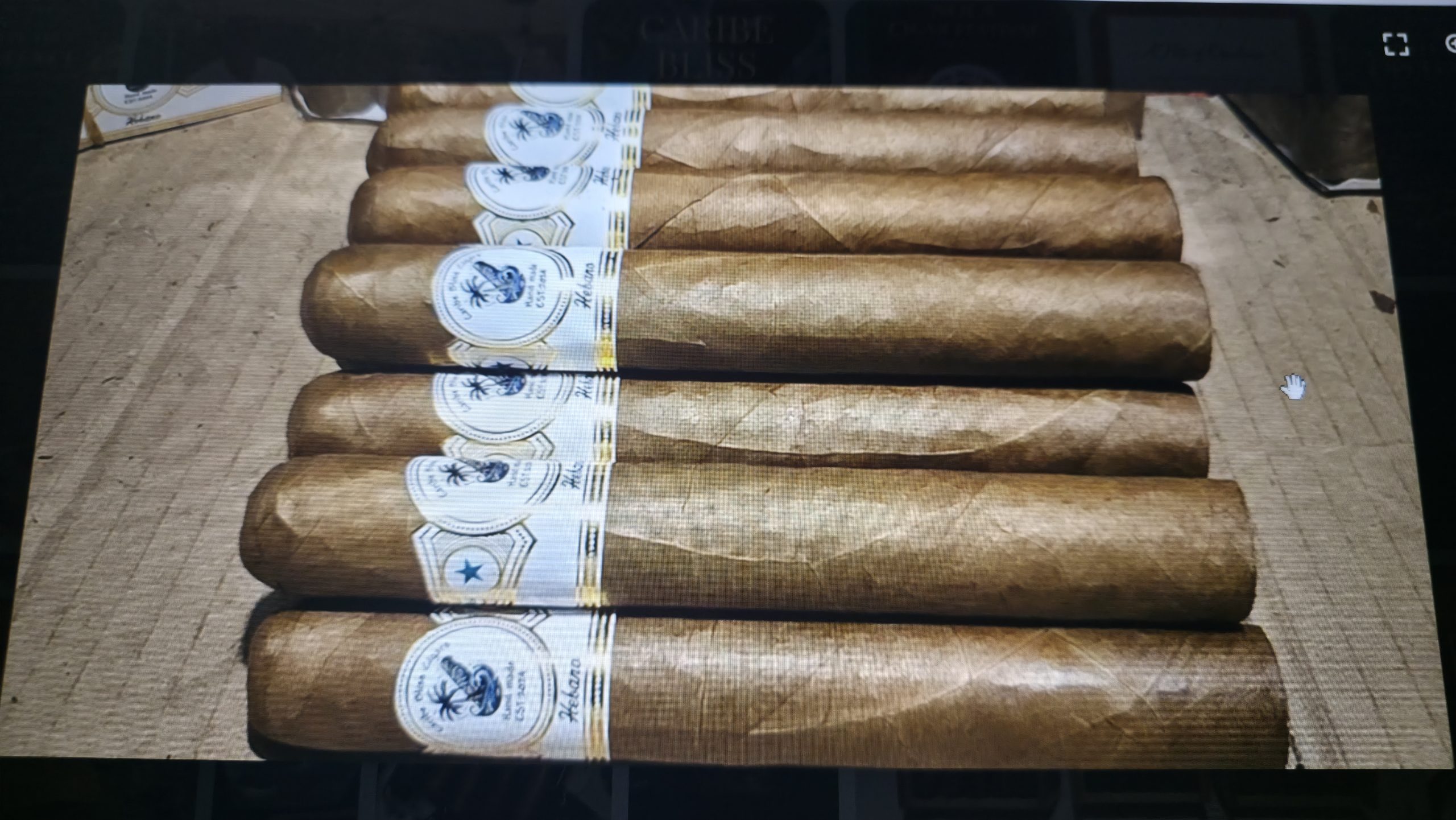
Every cigar has three components. The filler is the inside tobacco. It provides the strength and core flavor. Filler leaves are bunched together by hand. The binder holds the filler in place. It is a thicker, more durable leaf wrapped around the filler bunch. The wrapper is the outermost leaf. It is the most beautiful and delicate. The wrapper gives the cigar its color, oiliness, and much of its aroma. Wrappers are often grown in shade to produce thinner, smoother veins.
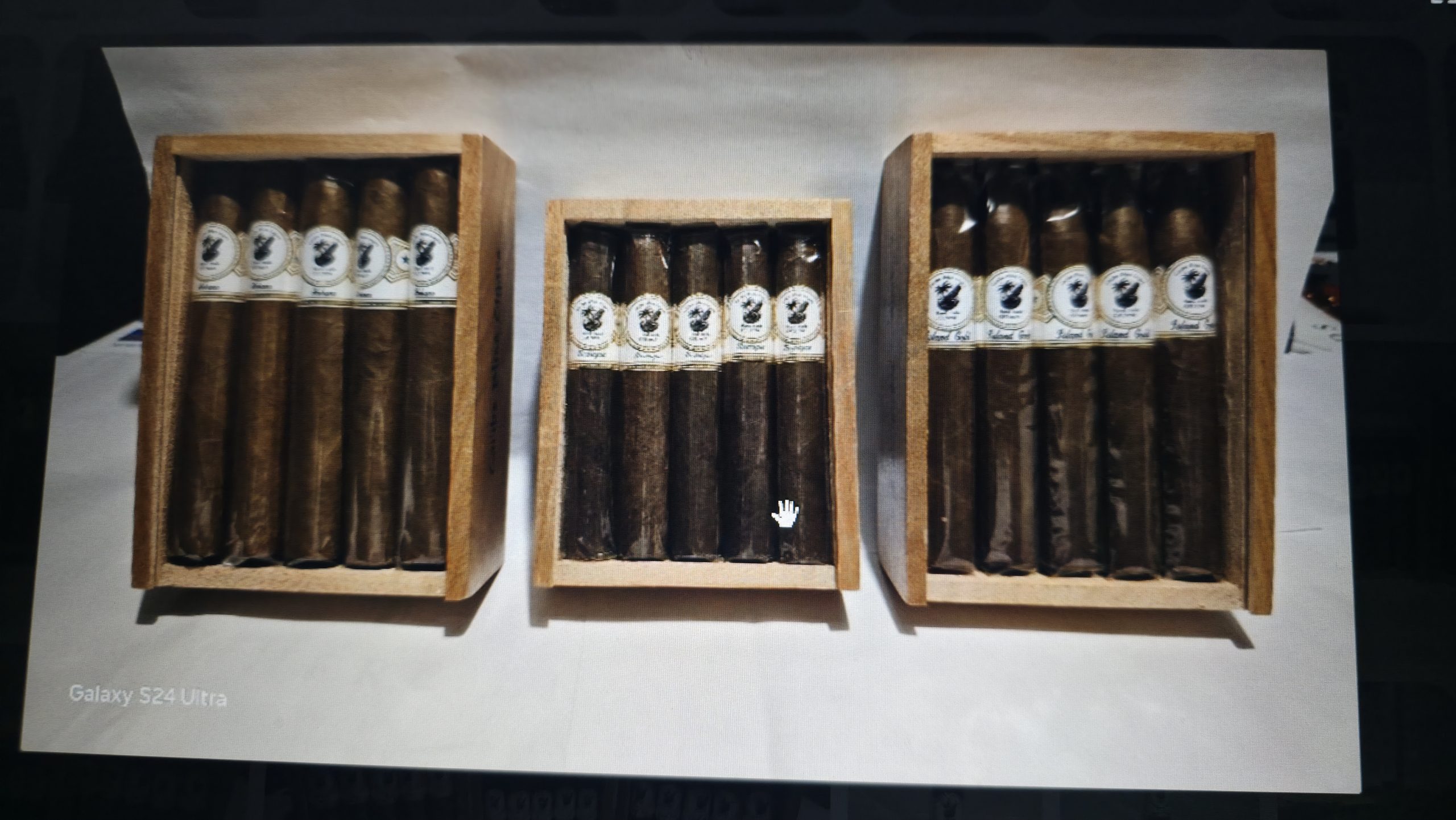
At Caribe Bliss, our filler for the Nicaragua cigar comes from Dominican and Pennsylvanian tobacco. The binder is Indonesian. The wrapper is Nicaraguan. Each layer has a job. No layer is wasted.
Once the filler, binder, and wrapper are prepared, the rolling begins. A skilled roller works at a flat wooden table. He uses a simple knife called a chaveta. No electricity. No automation. The roller takes a handful of filler leaves and shapes them into a bunch. This is called the bunch. He wraps the binder around the bunch tightly but not too tight. The binder goes into a wooden mold. The mold sits under pressure for thirty minutes to one hour. This gives the cigar its shape.
After molding, the roller removes the binder bunch and selects a wrapper leaf. He trims the wrapper to size. Then he wraps it around the bunch, starting at the head and moving to the foot. The final step is applying a small drop of vegetable gum to seal the wrapper. A cap is added at the head. The cigar looks complete. But it is not ready to smoke yet.
Freshly rolled cigars are too wet to smoke. They go into a drying room called an aposento. Temperature and humidity are carefully controlled. Cigars rest here for several weeks. This allows the leaves to marry their flavors. The oils redistribute. The moisture level drops to around twelve to fifteen percent.
After drying, each cigar is inspected. Rollers check for soft spots, tight draws, or wrapper cracks. A perfect cigar feels firm but slightly springy. The cap is smooth. The wrapper vein pattern is consistent. Any cigar that fails inspection is set aside. Nothing leaves the rolling table without a second set of eyes.
A small batch cigar differs from factory cigars in three ways. First, volume. A factory rolls thousands per day. A small batch roller produces maybe one hundred. Second, consistency of ingredients. Factories blend filler from many farms to keep flavor uniform. Small batch allows single farm or single region tobacco. Third, attention to detail. A small batch roller can adjust a blend based on customer feedback. Factories cannot.
Caribe Bliss operates as a small batch cigar maker. We roll to order when possible. Our customers tell us what they like. We listen. That is impossible at a machine paced factory.
Not every customer wants pure tobacco. Some enjoy flavored cigars. These are not to be confused with infused or sweet tipped gas station products. Real flavored cigars use natural oils and extracts applied during the aging process. The flavor is added after rolling. The cigar rests in a chamber with the chosen essence. Vanilla, coffee, cherry, and honey are common. The flavor infuses slowly over weeks.
Flavored cigars require separate storage. They cannot sit next to traditional cigars or the aromas will cross. At Caribe Bliss, we do not mass produce flavored lines. But we offer custom infusion for private events and corporate gifts. Ask us about it.
After rolling, drying, and inspection, the cigar must travel. Cigar delivery is not like shipping a book. Cigars are alive. They breathe. They react to heat, cold, and humidity. A poorly shipped cigar arrives cracked or moldy.
Proper cigar delivery includes a few non-negotiable steps. First, each cigar is wrapped in cedar or cellophane (cellophane allows breathing, plastic does not). Second, they are packed in a sturdy box with humidity control. A small humidity pack is added for long journeys. Third, the package is marked for adult signature. No leaving at the door. The carrier checks identification. Only a person twenty one or older can receive the shipment.
Caribe Bliss ships year-round. During summer, we add ice packs and thermal liners. During winter, we avoid freezing routes. A delayed cigar is better than a ruined cigar.
The maker does half the work. The smoker does the other half. Proper storage after cigar delivery matters. A cigar kept in a dry drawer will become brittle. A cigar kept in a damp bathroom will grow mold. The ideal environment is a humidor set to seventy percent humidity and seventy degrees Fahrenheit.
Before lighting, cut the cap cleanly. Do not bite. Do not use a dull blade. Toast the foot evenly. Rotate the cigar while applying flame. Then draw slowly. One puff per minute is enough. Over puffing overheats the tobacco and brings bitterness.
Even a perfectly made cigar can go wrong. Here are the most common issues and their causes.
A good roller accounts for these risks. A good smoker learns to avoid them.
The tobacco industry has consolidated. Three large companies control most of the market. They own the farms, the factories, and the distribution. Small batch makers are rare. But small batch offers something big companies cannot. Personality. Each batch tastes slightly different because the leaves come from a specific harvest. You are not smoking a formula. You are smoking a moment in time.
Caribe Bliss has been rolling for only one and a half years. That is young in cigar terms. But we use the same methods as the old Cuban masters. Hand selection. Hand bunching. Hand rolling. Hand inspection. No shortcuts.
Now you know how are cigars made from seed to smoke. The process demands time, skill, and respect for the leaf. Small batch production preserves traditions that machines cannot copy. Whether you prefer traditional blends or flavored cigars, the foundation remains the same. Quality tobacco, honest rolling, and careful cigar delivery. Next time you light a Caribe Bliss cigar, remember the hands that made it. Smoke slowly. And then appreciate deeply!